Table of Contents
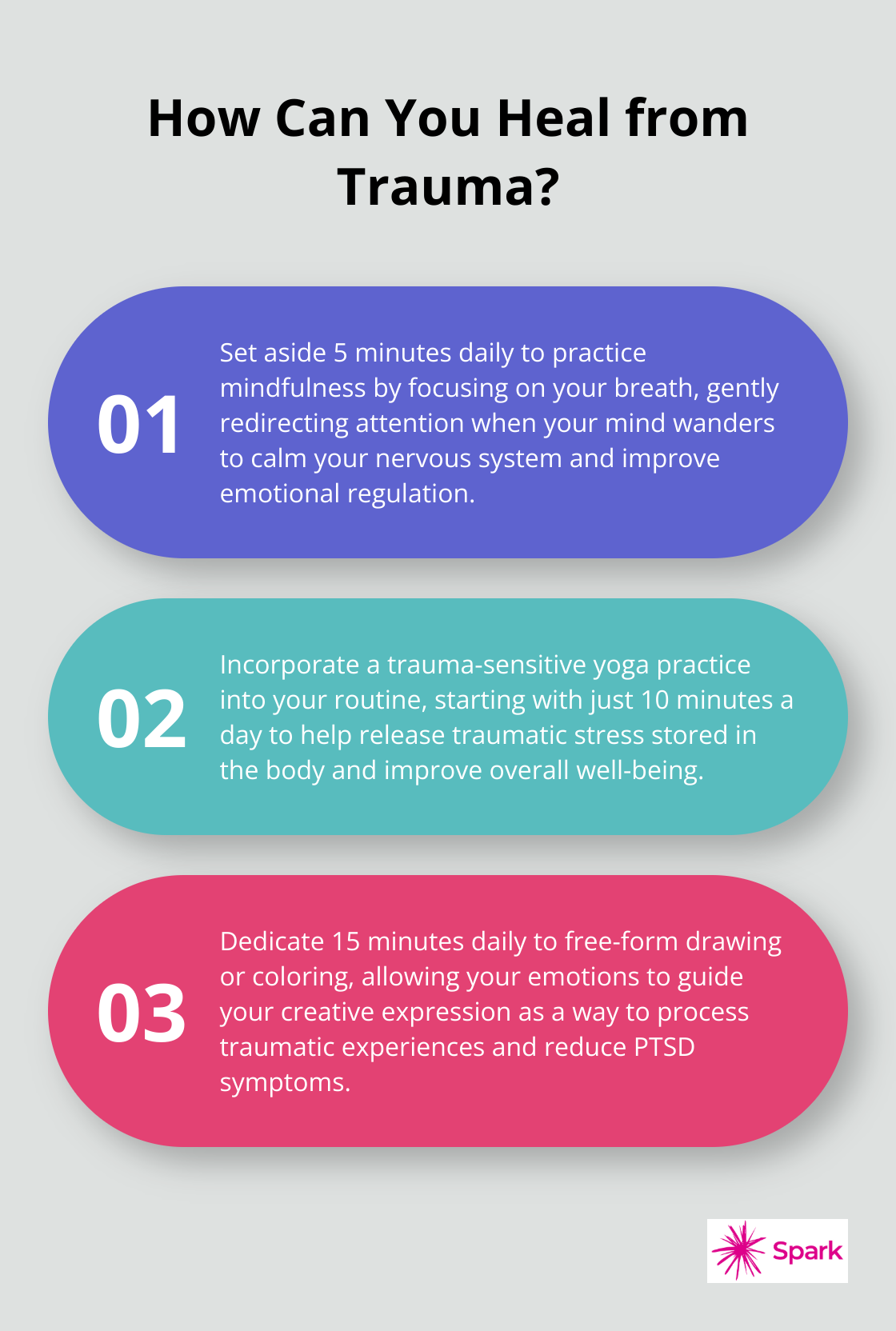
Trauma affects us in various means. In the short-term, it can cause psychological responses such as horror, complication, shock, isolation, and dissociation, whereas in the future, it can impact our behavior, mindset, and ability to work. Injury can also place the body in a state of stress and anxiety and creates physical signs such as an auto racing heartbeat, frustrations, queasiness, digestive problems, bad sleep high quality, and a propensity to alarm conveniently.
Zackson explains. This post checks out the signs and symptoms, triggers, diagnosis, and treatment of unsettled trauma. These are a few of the typical symptoms of unsettled injury, according to Dr. Zackson: Hypervigilance and inability to allow one's guard down Lack of trust and trouble opening to other individuals Dissociation and a relentless feeling of tingling Control problems, to overcompensate for feeling defenseless throughout the traumatic event Low self-worth and feelings of insignificance Anger issues and trouble managing feelings High blood stress and cortisol levels Sleep troubles, including insomnia and headaches Headaches, nausea or vomiting, sweating, or digestive concerns Tightness in the breast or a pit in the tummy Somatic preoccupation (too much focus and severe distress regarding physical symptoms) Bodily memories that trigger physical flashbacks of the sensations, scent, preference, pain, and pressure of the stressful experience Psychological health problems such as anxiousness, anxiety, material use condition, or trauma (PTSD) Unsettled injury is an invisible illness.
, it's most likely that it will never be completely resolved. Treatment for unresolved injury starts with producing a secure and nurturing setting where the survivor feels safe sufficient to refine the injury that has been quelched and pressed into the 'black box'. The medical professional thoroughly and safely opens this 'box,' allowing clients to become conscious of their experiences.
There is no specific time frame for recovery from unsettled injury. They can look back on their terrible experience and learn that they are stronger than they ever before pictured.
Locate out which choice is the ideal for you. Verywell Mind utilizes just top quality resources, including peer-reviewed research studies, to support the facts within our articles.
Wellness Aff (Millwood). 2019; 38( 10 ):1662 -1669. 2019; 49( 6 ):1041 -1046.
A Journey Toward Authentic Recovery
2016; 49:79 -91. doi:10.1016/ j.cpr. 2016.09.001 Lancel M, van Marle HJF, Van Veen MM, van Schagen AM. Interrupted sleep in PTSD: Thinking beyond problems. Front Psychiatry. 2021; 12:767760. doi:10.3389/ fpsyt. 2021.767760 Centers for Illness Control and Prevention. Caring for your psychological health. Cleveland Facility. Somatic sign disorder in grownups. Gentsch A, Kuehn E. Scientific manifestations of body memories: The effect of past physical experiences on mental health and wellness.
These physiological actions are component of the body's anxiety reaction to injury. Cognitively, trauma survivors might establish unfavorable beliefs concerning themselves or the globe, such as really feeling unworthy or harmful.
Mood adjustments can vary from anger and fear to pity and sadness. All these signs and symptoms are indications that injury has actually impacted the person's psychological and emotional wellness. If these symptoms persist or increase gradually, they might turn into problems like Trauma (PTSD). Identifying these signs early and looking for specialist assistance can facilitate efficient treatment and assistance recuperation.
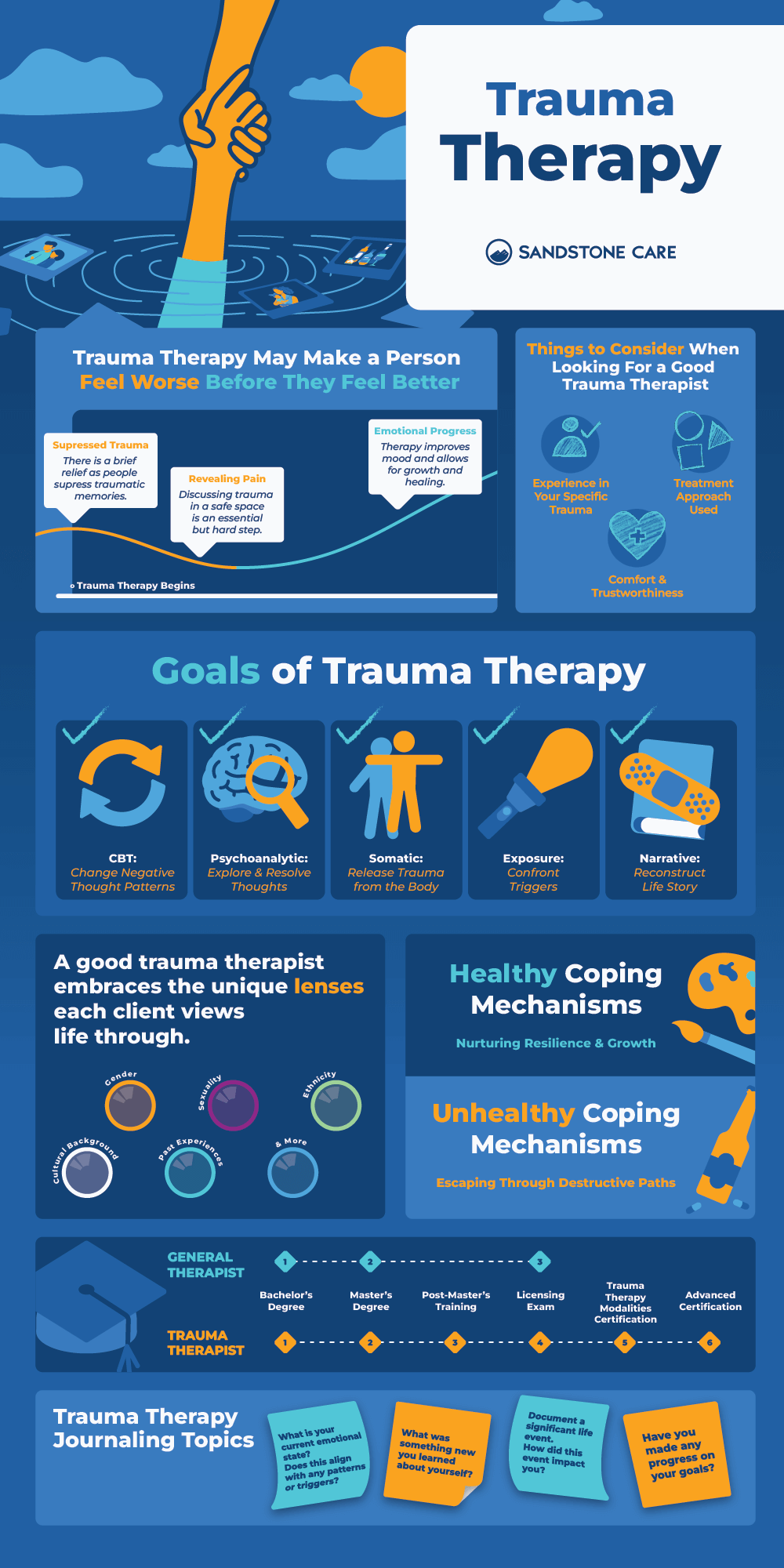
Another extremely effective approach is Long term Exposure treatment. This approach urges progressive confrontation of injury memories and situations that recall the traumatic occasion.
Affirming Neurodevelopmental Identity in Trauma Work
Addressing injury's effect on emotional, cognitive, and physical health and wellness is key. Treatment intends to bring back a feeling of safety and trustboth in oneself and in partnerships with othersby promoting strength and individual development.

As therapists, we typically listen to the inquiry "Exactly what is a trauma feedback?" from our customers. It's a great concern, and one worth discovering deeply. While a number of us utilize words "injury" and "stress" as if they suggest the same point in daily conversation, there's in fact far more to recognize regarding how trauma distinctly affects our mental wellness.
Navigating Anxiety Disorders With a ND-Affirming Lens
Think about injury actions as your body and mind's means of shielding you when something happens that feels too large to handle. When we experience something overwhelming or deeply distressing, our brain kicks right into survival setting. You might have become aware of "fight or trip" however there's additionally "freeze" and "fawn" (people-pleasing). These aren't simply abstract ideas; they're really actual responses that can turn up today or occasionally years later, depending on what you have actually been via.

Navigation
Latest Posts
The Value of Therapist-Client Bond in Depth Psychology for Change
When Depth Psychology Helps for Unconscious Conflicts
The Journey of Relationship Healing in Dialectical Behavior Therapy